What Happens to the Oil Tank After You Switch
Oil tank removal in Massachusetts runs through your local fire department, not your heat pump installer. Once no oil burner remains in the house, we’d take the tank out rather than leave it, and make that fire department call first.
- The house
- A Worcester County Colonial with a steel oil tank on legs in the basement, or a fill pipe in the yard and no tank in sight
- The decision
- Remove it, or leave it for now?
Heating Older Houses · 10 min read · Updated
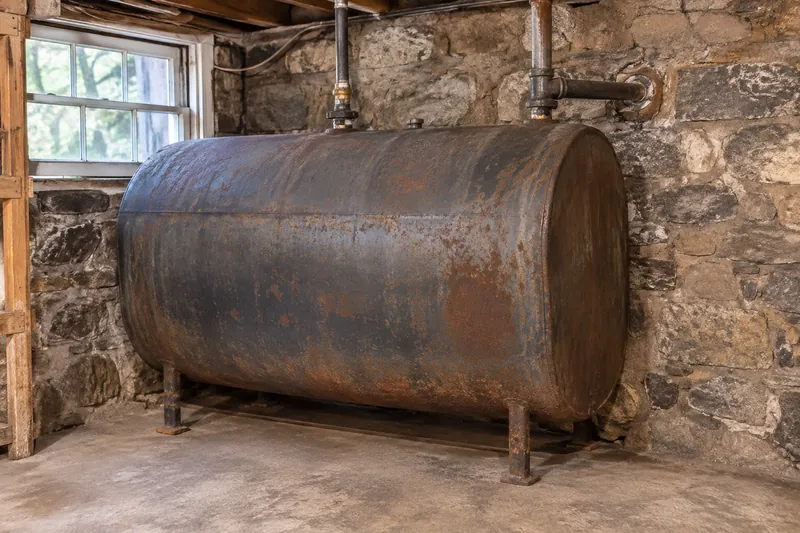
The basement of an oil-heated Colonial is arranged around a large, patient object. The tank sits on its steel legs against the foundation wall, a gauge on top, a line running low across the floor to the boiler, a pair of pipes climbing through the rim joist to the outside. For decades nobody thinks about it except the driver who fills it. Then the heat pumps go in, the boiler goes quiet or goes away altogether, and an owner stands at the bottom of the stairs and realizes that the installer’s scope of work ended a few feet from that tank.
That is the normal outcome. A heat pump bid covers the heat pump. The tank is a separate question with separate authorities, and it is easy to drift past it for years because nothing about it demands attention on any given Saturday.
Our answer: if oil is staying in the house as backup, the tank stays too, and there’s nothing to decide yet beyond keeping an eye on it. If the last oil burner is leaving, take the tank out as part of the same project, in a planned way, once your fire department has told you what it requires. This is work for a qualified contractor, every step of it. Nothing here is a set of instructions for draining, cutting, moving or disconnecting anything, and the fuel line and the tank are not owner projects at any point.
Do you have to remove the oil tank when you switch?
Not automatically, as far as state law goes for a tank that isn’t leaking. MassDEP’s homeowner guide says state law doesn’t require removal of a non-leaking residential underground tank, though local rules may. That guide was last revised in 2008, so treat it as background and let your fire department have the final word on what applies today.
The rebate program doesn’t clearly settle it either. Mass Save’s published terms for 2026 require a whole-home heat pump to be the home’s only source of heat and cooling, and the rebate form speaks of removing or disabling existing heating from areas heat pumps serve when no integrated control is used. What we could check addresses the heating system, and we found nothing there saying the tank itself must leave the house. Ask the program, and have your installer put the answer in writing, rather than assuming in either direction. The rebate story has the rest of those terms.
If you take the partial-home route with a boiler kept as backup, the tank is still in service. Then your job is ordinary vigilance and regular service by whoever looks after the system. Massachusetts law also has a section on residential heating oil tanks, MGL chapter 148, section 38J, covering safety requirements, inspection and certification, so it’s reasonable to ask your oil service company what that means for your particular setup.
Is your tank underground or in the basement?
The location decides almost everything that follows, so settle it first. A basement tank is obvious. An underground tank may not be: previous owners sometimes switched to a basement tank or to gas and left the old one in the ground, and a house can have a history that nobody passed on when it was sold.
The clues are worth looking for, but only by looking. A fill pipe or vent pipe standing in the yard or coming out of the foundation with no tank visible on the other side of the wall is a reason to ask questions. So is an old line coming through the foundation wall toward nothing. Old oil company delivery records and the property’s file at the fire department or building department may help. If you suspect a buried tank, bring that up on your first call rather than after a crew has arrived.
| Where it sits | Permit picture | Can it stay? | What to ask first |
|---|---|---|---|
| Underground | State law requires a permit from local fire officials before removal | Only with fire department approval, typically when removal would jeopardize the structure | Local rules, and who arranges the release measurement |
| Basement | State practice less clear; at least one department has required permits | Ask; local rules and your insurer matter | Whether your town requires a permit for this tank |
| Basement, oil burner staying | No removal planned | Yes, it is still in service | Service and inspection schedule |
Who gives permission for oil tank removal in Massachusetts?
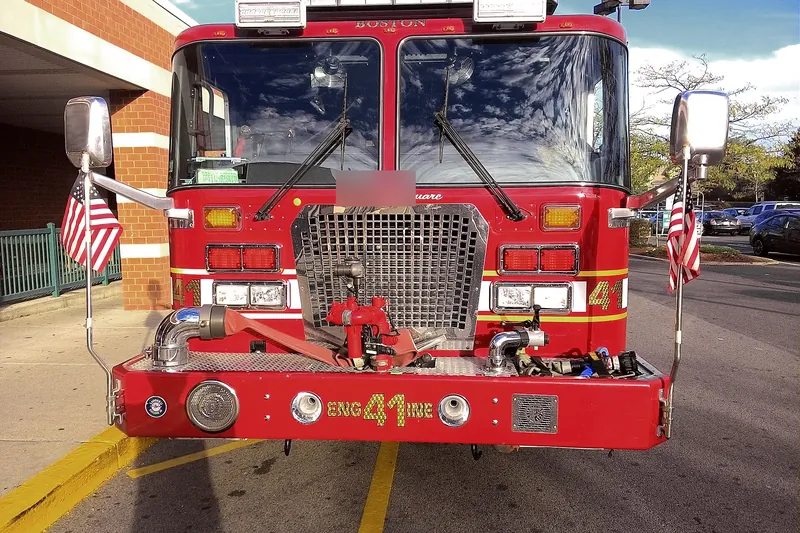
Your local fire officials do, and they also decide when conditions are safe. Massachusetts law, MGL chapter 148, section 38A, requires a permit before an underground tank is removed. Basement tanks are less cleanly covered in what we could find: a 1999 state enforcement letter records at least one fire department, in Lawrence, requiring permits for them as well. Other towns may or may not follow suit, which is the whole reason to call. Ask your own department how it treats a basement tank, and don’t rely on what a neighbor’s town did.
Leaving an underground tank in place isn’t something an owner simply decides, either. It needs fire department approval, which the MassDEP guide says is typically given only when removal would put the structure at risk. A tank that’s merely inconvenient is unlikely to qualify, and if yours is under a porch or an addition, you’ll want that conversation early, before anyone has quoted the work.
The clock matters once an underground tank is out of the ground. Under 527 CMR, the state fire code, the owner must get a release measurement, a check for oil released into the surrounding ground, within 24 hours after removal. Notice that the regulation names the owner. Your contractor may well arrange it, but the obligation sits with you, so write it into the contract and ask who is doing it and on what day. Contamination gets reported to the head of the fire department and to MassDEP. Keep the permit, the measurement results and the disposal paperwork together, since you may need all of them when you sell.
What should you do about the oil left in the tank?
Ask your oil company how low the tank should go, don’t plan on running it dry, and leave the rest to the contractor. The worst version of this story is a full tank in September and heat pumps commissioned in October. Oil was averaging $6.15 statewide in the week of November 2, 2026, and $3.63 the same time last year, so a full tank is real money to leave stranded in a basement.
- Year earlier$3.63
- Week before$6.23
- Week of Nov. 2, 2026$6.15
Source: Mass.gov home heating fuel prices
Weigh that against an obvious risk: you don’t want to run out while the old system is still your only heat. So talk to your heat pump installer about the actual start-up date, talk to your oil supplier about stopping automatic delivery at the right moment, and ask the removal contractor how much oil they can handle and what happens to it. Suspend automatic delivery only after the heat pumps are commissioned and carrying the house, because install dates slip. In a rental, the owner’s duty to provide heat runs right through the changeover. Those are phone calls and emails. The tank itself remains someone else’s work.
What if the floor or the ground already smells of oil?
Stop treating it as a removal job and treat it as a possible release: keep people away from it, call your fire department, and don’t try to clean it up. If the smell is strong or anyone feels ill, get everyone out and call 911 from outside. MassDEP publishes a homeowner oil spill cleanup guide that sets out the process for owners. Don’t start scrubbing or scraping a stained area before someone qualified has looked at it, since that can make a problem larger or harder to document.
Call your insurer early too. Whether your homeowner policy has anything to say about tanks or oil releases is something we could not confirm for you, and policies differ, so ask the question directly. It’s a better conversation to have before there’s a problem, which is another argument for raising the subject at the same time as you plan the switch.
An old basement adds one more complication. Pipes near a tank or boiler may carry insulation that may contain asbestos, and a removal crew that needs a clear path can disturb it. That wrap is for licensed abatement, and it needs to be raised before anyone starts moving equipment, as our story on asbestos and lead explains.
Why not just leave it there for now?
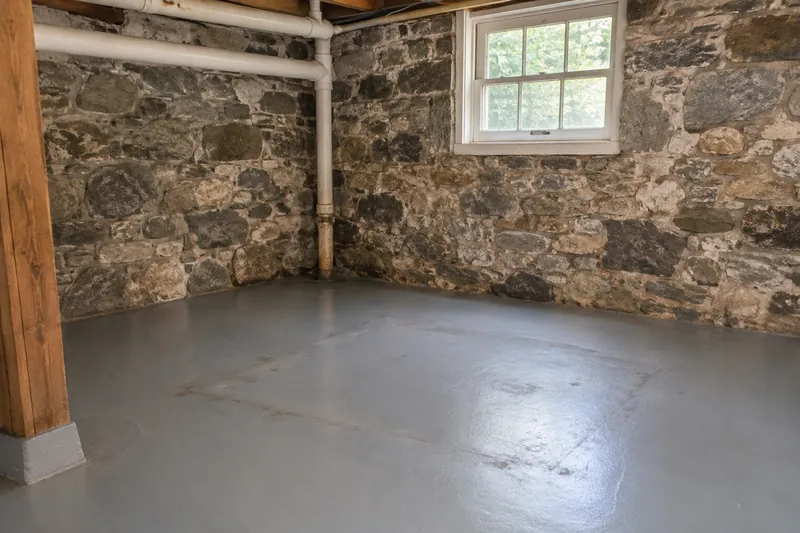
Because "for now" has a way of outlasting the people who said it. A tank with no job gets no attention. Nobody reads the gauge, nobody is looking at the legs or the floor beneath it, and in time nobody remembers what’s in it. We’d rather you made the decision while the project is open, the installer’s in the house, and the paperwork is fresh.
There’s a practical worry as well, and this one is our own reasoning, not a rule from any agency. A fill pipe left on the outside of a house looks exactly like a working fill pipe. Ask the removal contractor what happens to the outdoor pipes so that no future delivery can mistake them for a live tank. A future buyer will also want an answer about the tank, and the inspection report is a poor place to find out the answer is unclear. A clean basement corner and a folder of permits is a stronger position than a tank you intended to get around to.
A clean basement corner and a folder of permits is a stronger position than a tank you intended to get around to.
Waiting can make sense in a few specific cases. You might reasonably keep the tank through a first winter if the boiler is staying as backup, or if you want to see how the heat pumps carry the house before giving up the old system entirely. In that second case, check how keeping a working boiler affects any whole-home paperwork you’ve signed, since the heat pump is meant to be the sole source. And note the other jobs tied to the same decision. If the boiler also makes your hot water, or shares a chimney with a water heater, read what happens when the boiler leaves before you schedule anything.
What it comes down to
- If The boiler is staying as backup
- Then Keep the tank in service, keep it inspected, and revisit the question when the boiler goes
- If The last oil burner is leaving and the tank is in the basement
- Then Call the fire department about permits and schedule removal as part of the same project
- If You have or suspect an underground tank
- Then Raise it with the fire department first, since a permit and a release measurement within 24 hours apply
- If Removal would endanger the structure
- Then Ask the fire department about approval to leave it in place, and do nothing until you have that answer
- If You smell oil or see staining
- Then Keep clear, call the fire department and your insurer, and if the smell is strong or anyone feels ill, get out and call 911 from outside
Also asked
Will the heat pump installer take the tank away?
Maybe, but don’t assume so, since most bids stop at the heat pump. Ask, and if they subcontract it, ask who holds the permit and who arranges any testing.
Can I sell the leftover oil or give it to a neighbor?
Moving heating oil around isn’t a homeowner job, and we won’t suggest a way to do it. Ask the contractor removing the tank what they do with any remaining oil, and whether that is reflected in their bill.
Do I need to tell my insurer the tank is gone?
We’d tell them, and we’d also tell them about the new heating system. Send the permit and removal paperwork along with the notice, since those documents say more than a phone call does.
What should I keep afterward?
Keep the fire department permit, the contractor’s invoice and disposal record, and any release measurement or soil results. File them with the house papers, because a buyer’s inspector may well ask for them someday.
Where this comes from
- MassDEP, Removing Your Underground Heating Oil Tank: fire department permits, leaving tanks in place, release measurement and reporting (guide revised 2008)
- Massachusetts public enforcement letter 99-4: a fire department requiring permits for basement tanks
- MassDEP Homeowner Oil Spill Cleanup Guide: where owners go after a release
- Massachusetts home heating fuels prices: retail oil averages for the week of Nov. 2, 2026
- Mass Save heat pump page: the whole-home condition
- National Grid’s posted copy of the rebate form: rules for existing heating when no integrated control is used